返回至宝石百科全书

亚历山大变石

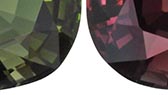
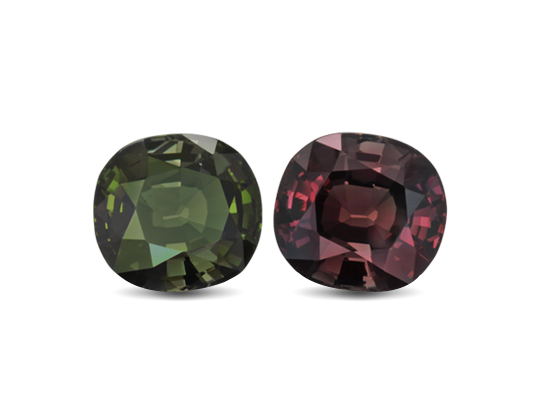
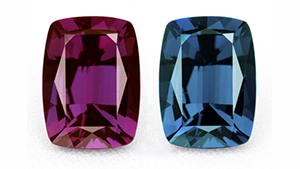
日光下为绿色, 白炽灯光下为红色。 能变色的亚历山大变石是大自然的魔术。

Responsive image
金绿玉类别

亚历山大变石是金绿玉矿物的变色类别。

Responsive image
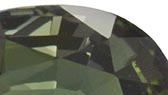
日间呈绿色

亚历山大变石在日光或荧光灯下呈现蓝绿色。

Responsive image
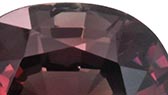
夜间呈红色

亚历山大变石在白炽灯下或烛光下呈紫红色。

Responsive image
Responsive image
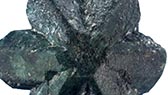
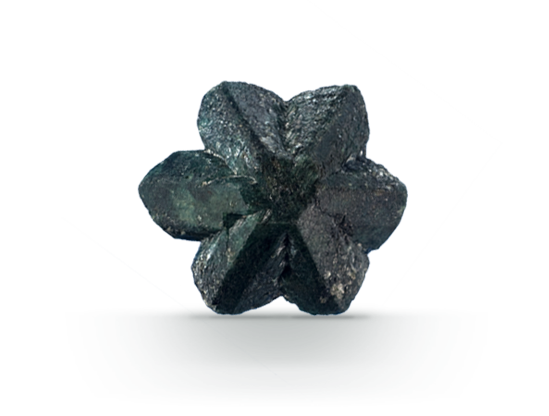
双星形

此亚历山大变石样本由 3 颗互穿晶体制成。

Responsive image
巴西宝石

巴西是亚历山大变石的最重要产地之一。

Responsive image
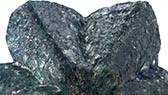
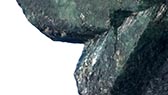
重入角

标记每个晶体边缘的切口被称为重入角。

Responsive image
工具

概览

关于亚历山大变石

关于亚历山大变石
宝石爱好者通常将其形容为“白天的祖母绿,晚上的红宝石”,亚历山大变石是金绿玉矿物中非常罕见的变色类别。 它最初在 19 世纪 30 年代被发现于俄罗斯的乌拉尔山脉,现在,斯里兰​​卡、东非和巴西都发现了它的身影,尽管如此优良的材料依然非常稀少而珍贵。

亚历山大变石描述

亚历山大变石的历史与知识


生日石与周年纪念日

亚历山大变石、珍珠和月光石同是六月生日石。亚历山大变石也是 55 周年结婚纪念日宝石。

1830

这一年在 Russia’s Ural Mountains(俄罗斯的乌拉尔山脉)发现了亚历山大变石。


沙皇亚历山大二世

宝石与其同名,他解放了俄罗斯农奴并于 1881 年被暗杀。


580 纳米

这个吸收带可以使亚历山大变石在不同光源下观察颜色从红色变为绿色。


资料

  • 矿物:金绿玉
    化学式:BeAl2O4
    颜色:在日光下呈蓝绿色,在白炽灯光下呈紫红色
    折射率:1.746 至 1.755
    双折射率:0.008 至 0.010
    比重:3.73
    莫氏硬度:8.5

处理

有许多处理方式可用来改变颜色和透明净度,或改善宝石的坚固性。

了解更多

合成品

某些宝石的合成品是在实验室中人工制成的,但具有与天然宝石基本相同的化学、物理和光学特性。

了解更多

仿品

任何宝石都可以被仿造 - 可使用人造材料或人为选择的天然材料来冒充特定宝石。

了解更多
gem love

我们为何钟爱这种宝石

1
颜色变化

使用笔灯将亚历山大变石从绿色变为红色十分有趣。

2
光源

这种宝石充分证明了光源对宝石的颜色有多大的影响。

3
现象

亚历山大变石可以同时显示颜色变化和猫眼 - 一个宝石的两种现象。

品质要素

颜色

quality factors

优质的亚历山大变石在日光下是绿色至蓝绿色,在白炽灯光下是红色至紫红色。

净度
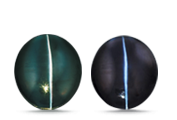
quality factors

品质好的亚历山大变石几乎没有内含物。 罕见的是,针状包裹体形成了猫眼。

切工
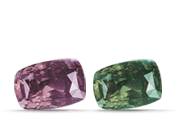
quality factors

亚历山大变石通常都是混合切工的。 它的稀有性使得在切磨时时常要保留重量。

克拉重量
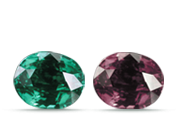
quality factors

大部分的切割宝石重量不到一克拉。 尺寸较大、品质更好的宝石价格上涨显著。

亚历山大变石品质要素:综合指南

研究

探索产地、宝石学研究以及宝石在历史上的作用。
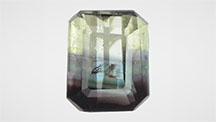
Figure 1. This 0.73 ct octagonal step cut was composed of chrysoberyl and alexandrite. The alexandrite portion showed a color change from blue-green in fluorescent light to red-purple in incandescent light. Photos by Shunsuke Nagai.

Bicolor Chrysoberyl with Chrysoberyl and Alexandrite Zones

Hikaru Sato , 八月 2, 2024 阅读详细内容(英语)
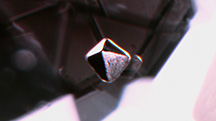
An octahedral fluorite crystal in a 1.25 ct Brazilian alexandrite. Photomicrograph by Hikaru Sato; field of view 2.37 mm.

Fluorite in Brazilian Alexandrite

Hikaru Sato , 五月 3, 2024 阅读详细内容(英语)
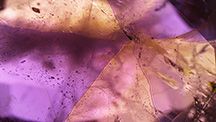
This 0.69 ct alexandrite showed a stellate structure due to cyclic crystal twinning and pleochroism, producing a kaleidoscope effect when rotated. These photomicrographs were taken with a single polarizer placed above the stone and a white diffuser below the stone to highlight the color. Photomicrographs by Makoto Miura; field of view 9.80 mm.

“Kaleidoscope” in Alexandrite

Makoto Miura , 一月 26, 2024 阅读详细内容(英语)
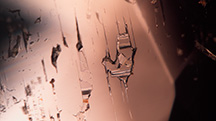
Figure 1. Top: Negative crystal in an alexandrite containing a fluid and crystals at room temperature. Bottom: Below 31.2°C, multiple gas bubbles appear. Photomicrographs by Jamie Price; field of view 1.99 mm.

Three-Phase Inclusion in Alexandrite

Jamie Price , 五月 23, 2023 阅读详细内容(英语)